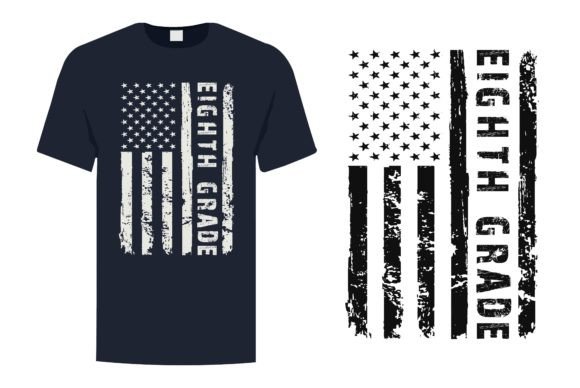
Eighth Grade Design: Strategic Use for Learning, Branding, and Communication
Eighth Grade Design is more than just a visual concept—it's a strategic tool that can be applied across multiple domains, from education to marketing and beyond. Whether you're a teacher looking to create engaging classroom materials or a business owner aiming to build a strong brand identity, understanding the principles of Eighth Grade Design can help you make better decisions and achieve more meaningful outcomes.
At its core, Eighth Grade Design refers to a style that combines simplicity, clarity, and a touch of nostalgia. It often incorporates elements like clean typography, bold colors, and vintage aesthetics. These characteristics make it particularly effective for communicating ideas in a way that's both accessible and memorable.
Why Eighth Grade Design Matters in Education
In the context of education, Eighth Grade Design plays a critical role in how students engage with learning materials. For teachers, creating visually appealing content can significantly enhance student comprehension and retention. A well-designed worksheet, presentation, or study guide can make complex concepts easier to understand and more enjoyable to learn.
For example, using an Eighth Grade Design template for a science lesson on the solar system can help students visualize planetary orbits and distances more effectively than a plain text document. Similarly, incorporating a patriotic or patriotic-themed design for a Fourth of July lesson can foster a sense of national pride and historical awareness.
The key to successful implementation lies in balancing creativity with functionality. While a striking design can capture attention, it should never overshadow the educational content. The goal is to support learning, not distract from it.
Strategic Applications Beyond the Classroom
While Eighth Grade Design is commonly associated with education, its applications extend far beyond the classroom. In the world of branding, for instance, this design style can be used to create a unique and recognizable identity. A small business selling back-to-school supplies might use an Eighth Grade Design approach to appeal to parents and students alike, combining nostalgic visuals with modern messaging.
For entrepreneurs and marketers, Eighth Grade Design offers a way to stand out in a crowded market. By leveraging familiar, clean, and emotionally resonant visuals, brands can build stronger connections with their audience. This is especially true when targeting younger demographics who may be drawn to the retro aesthetic but also value simplicity and clarity.
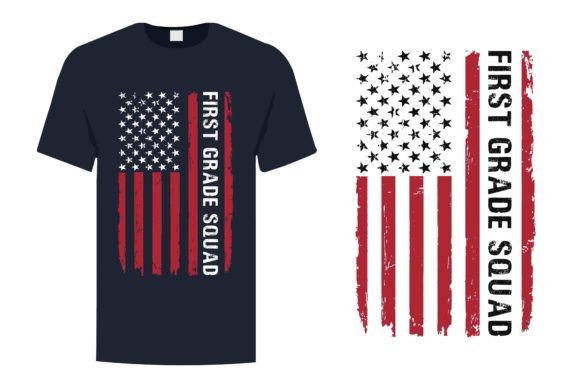
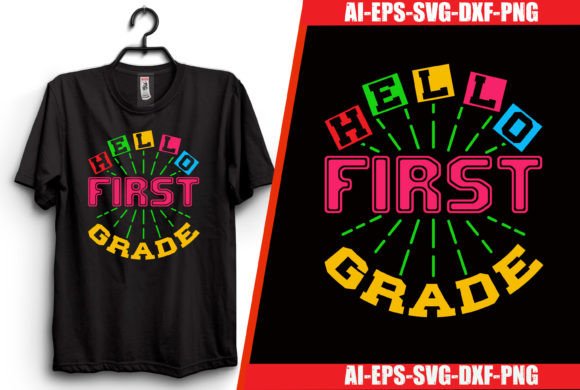
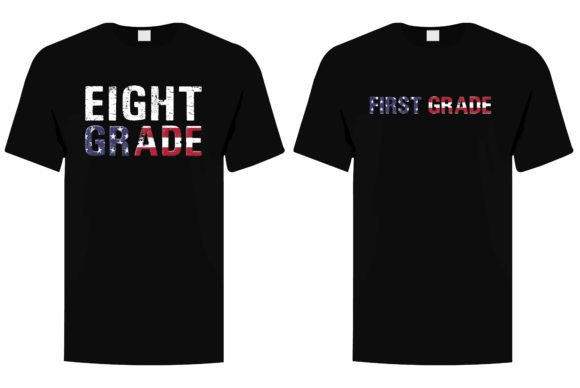
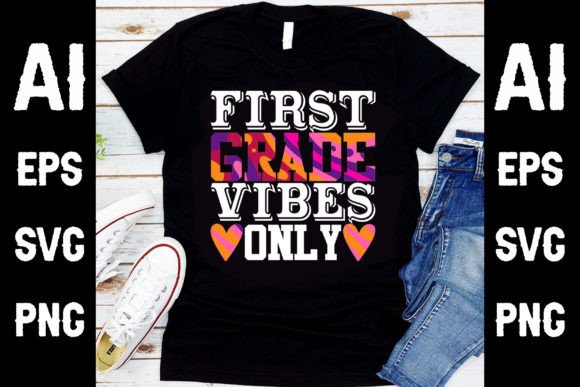
Consider a teacher who wants to create custom T-shirts for their students. An Eighth Grade Design template could be used to incorporate elements like a school mascot, academic themes, or motivational slogans. These designs not only serve as a fun way to promote school spirit but also reinforce a sense of community and belonging.
When to Use Eighth Grade Design
Eighth Grade Design is most effective when used intentionally and with a clear purpose. It works best in situations where clarity, accessibility, and emotional resonance are important. For instance, it can be a great choice for:
- Creating educational materials for middle school students
- Designing promotional items for schools or events
- Developing branding assets that blend nostalgia with modernity
- Enhancing user experience through simple, intuitive layouts
However, it's important to consider the context before applying this design style. In some cases, a more minimalist or modern approach may be more appropriate. The goal is to match the design to the needs of the audience and the message being conveyed.
How to Approach Eighth Grade Design Thoughtfully
To get the most out of Eighth Grade Design, start by defining your goals. Are you trying to improve communication, boost engagement, or strengthen brand recognition? Once you have a clear objective, you can tailor your design choices accordingly.
One practical step is to research existing examples of Eighth Grade Design in action. Look at how other educators, businesses, or designers have used this style to achieve specific outcomes. This can provide valuable insights into what works and what doesn't.
Another key consideration is consistency. If you're using Eighth Grade Design for branding, ensure that all visual elements—colors, fonts, graphics—align with your overall strategy. Consistency helps build trust and reinforces your message over time.
Finally, don't forget to test your designs. Whether it's a classroom worksheet or a marketing campaign, gather feedback from your target audience to see if the design meets their needs and expectations. This iterative process can help refine your approach and improve results.
Potential Risks of Using Eighth Grade Design Without Clarity
Like any design approach, Eighth Grade Design can be misused if not applied thoughtfully. One common risk is over-reliance on visual elements at the expense of content. A beautifully designed worksheet, for example, won't be effective if the information it contains is unclear or incomplete.
Another risk is failing to consider the audience. What appeals to one group may not resonate with another. A vintage-style design might work well for a history lesson, but it could feel outdated or irrelevant in a high-tech industry setting.
Without a clear strategy, Eighth Grade Design can also lead to confusion. If the design doesn't align with your goals or messaging, it may dilute your brand or confuse your audience. This is why it's essential to approach each project with intention and purpose.
Long-Term Value of Intentional Design Choices
When used strategically, Eighth Grade Design can deliver long-term value by supporting consistent messaging, improving user experience, and fostering deeper connections with your audience. Over time, these benefits can translate into increased engagement, stronger brand loyalty, and more effective communication.
For educators, this means creating materials that not only inform but also inspire. For businesses, it means building a visual identity that stands out and resonates. For individuals, it means making choices that reflect their values and goals.
Ultimately, the success of Eighth Grade Design depends on how well it aligns with your broader objectives. By approaching it with a clear plan and a focus on practical outcomes, you can unlock its full potential and achieve better results in your work and life.
Conclusion: Embrace Strategy, Not Just Style
Eighth Grade Design is more than just a visual trend—it's a strategic framework that can be applied in meaningful ways. Whether you're teaching a class, launching a product, or building a brand, the principles of this design style can help you communicate more effectively and achieve better results.
The key is to use it intentionally. By focusing on clarity, purpose, and audience needs, you can turn a simple design concept into a powerful tool for growth and impact. Remember, the goal isn't just to look good—it's to make a difference.